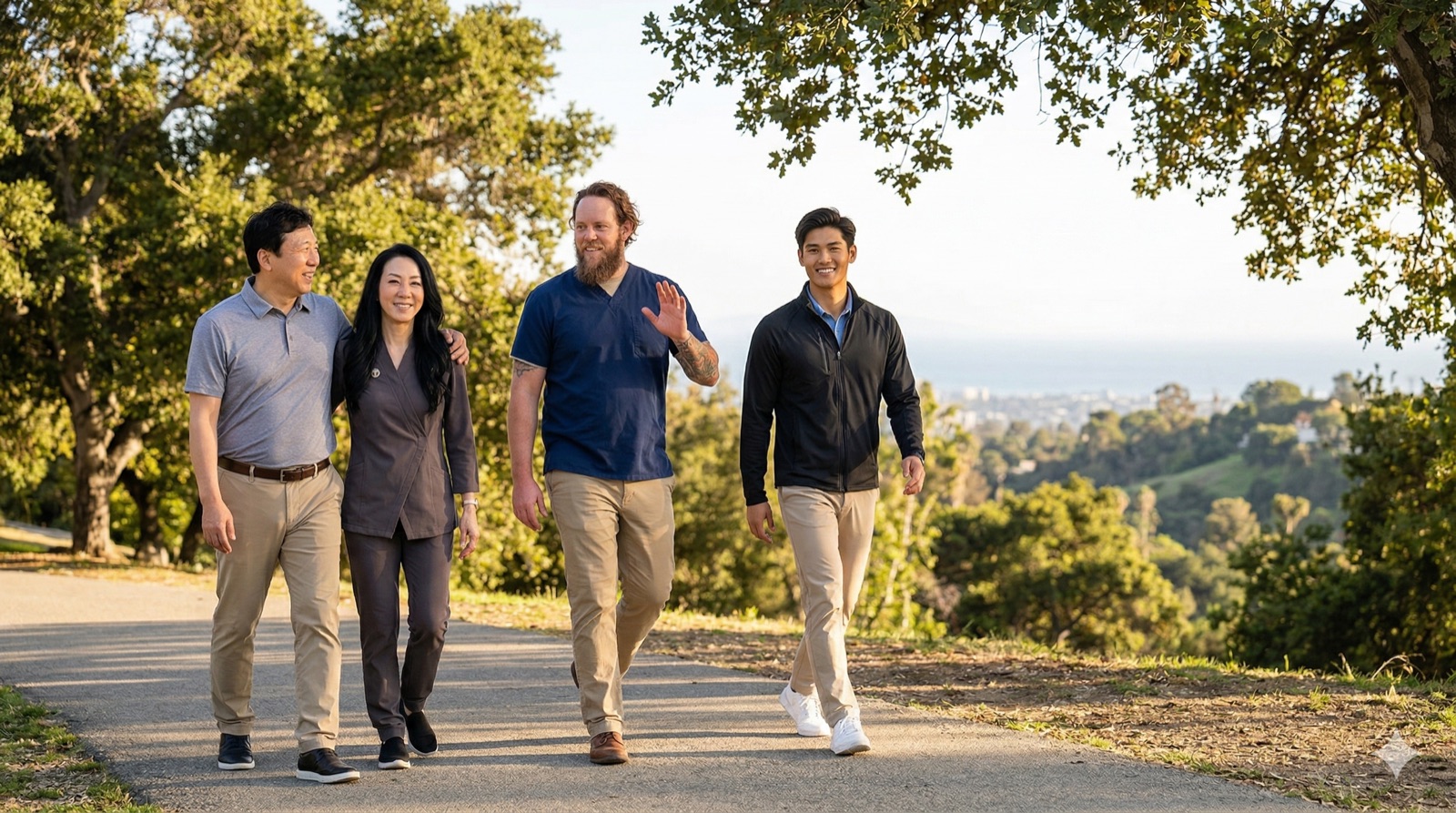
Stop Living Around the Pain.|
Chiropractic, SpineMED decompression, focused shockwave, and on-site digital X-rays — a complete recovery program under one roof. Same-day appointments.
Chiropractic, SpineMED decompression, focused shockwave, and on-site digital X-rays — a complete recovery program under one roof. Same-day appointments.
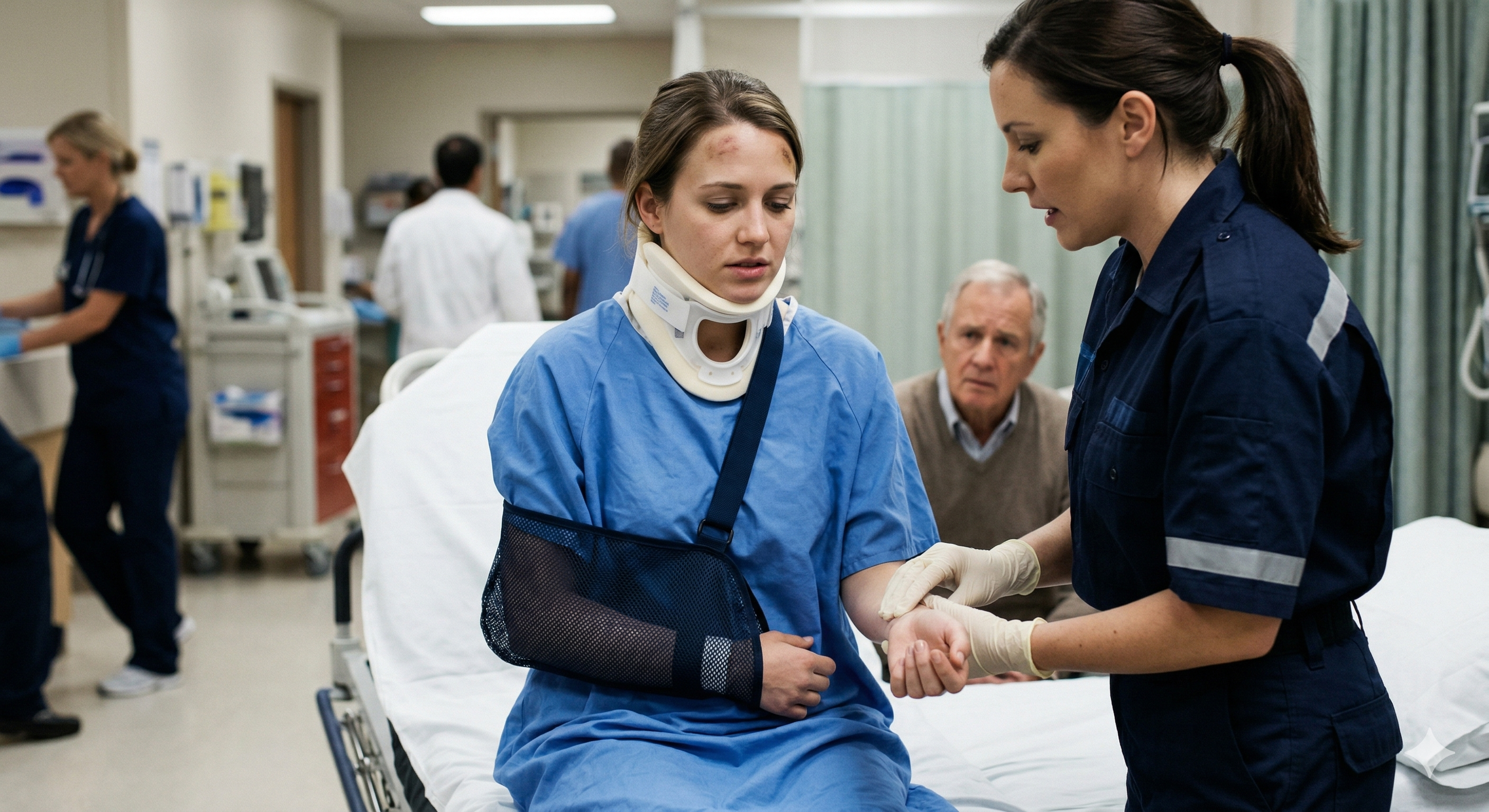
Whiplash. Back pain. Headaches. Numbness. Stiffness that appears three days later. We document every finding, image every concern, and build a recovery plan that holds up to clinical scrutiny — whether your next step is full recovery, follow-up with your physician, or a case review.
Full consultation, postural and neurological examination, and on-site digital X-ray in one visit.
A written plan combining chiropractic, physiotherapy, massage, and decompression as your condition requires.
Clinical documentation at every visit. Re-examination at regular intervals. Measurable progress.
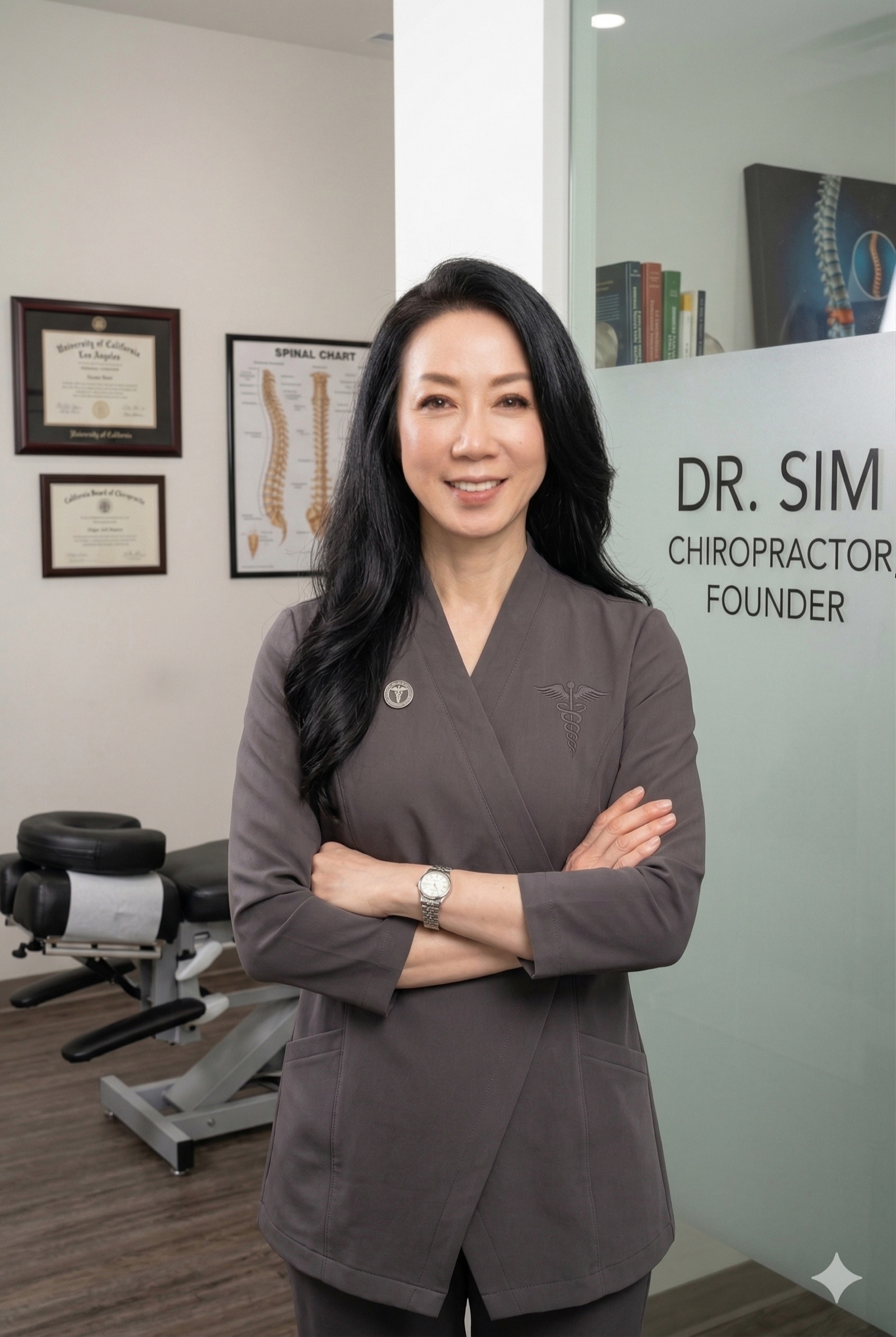
Over 18 years in Koreatown specializing in auto accident recovery, spinal rehabilitation, and non-surgical disc treatment.
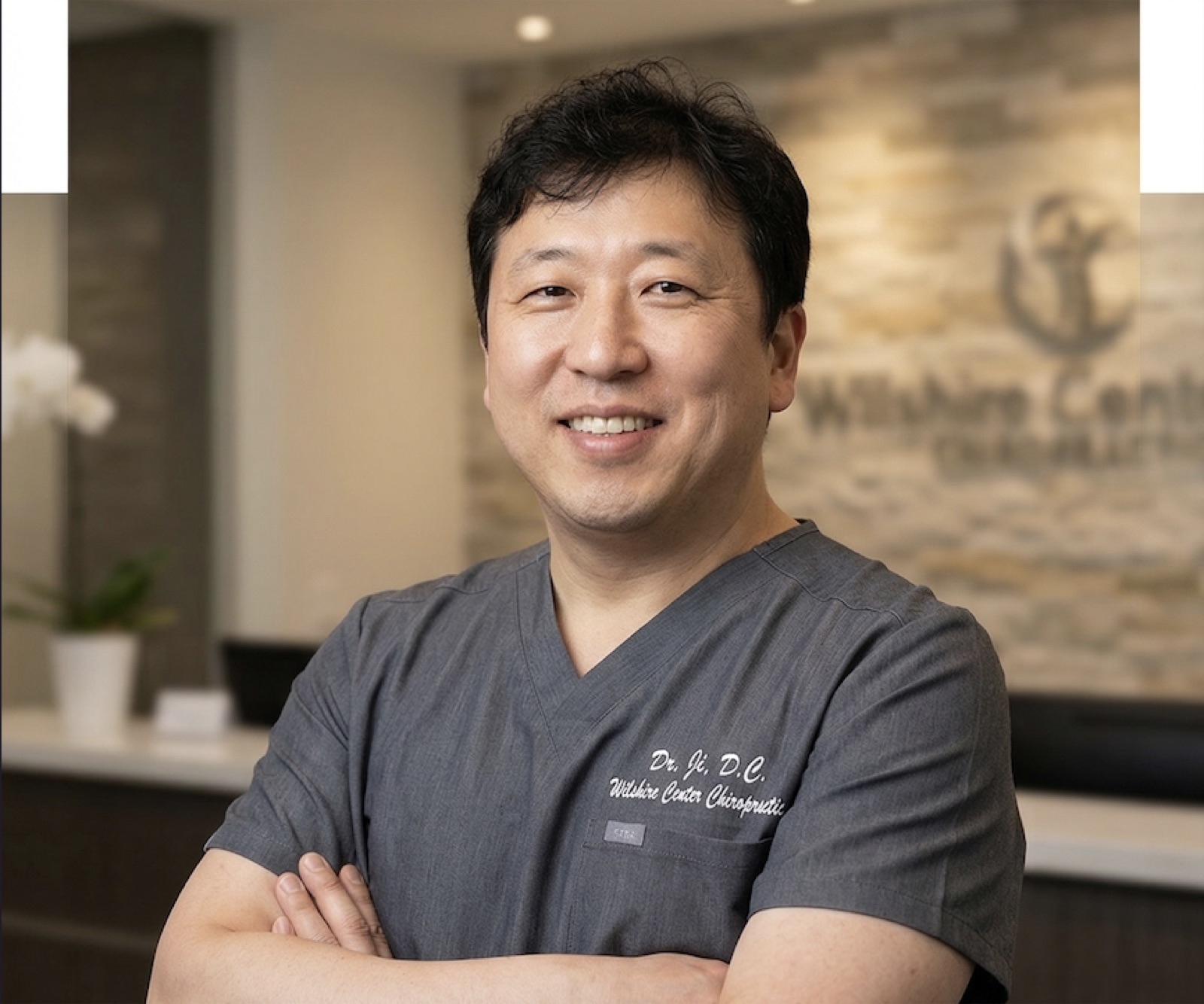
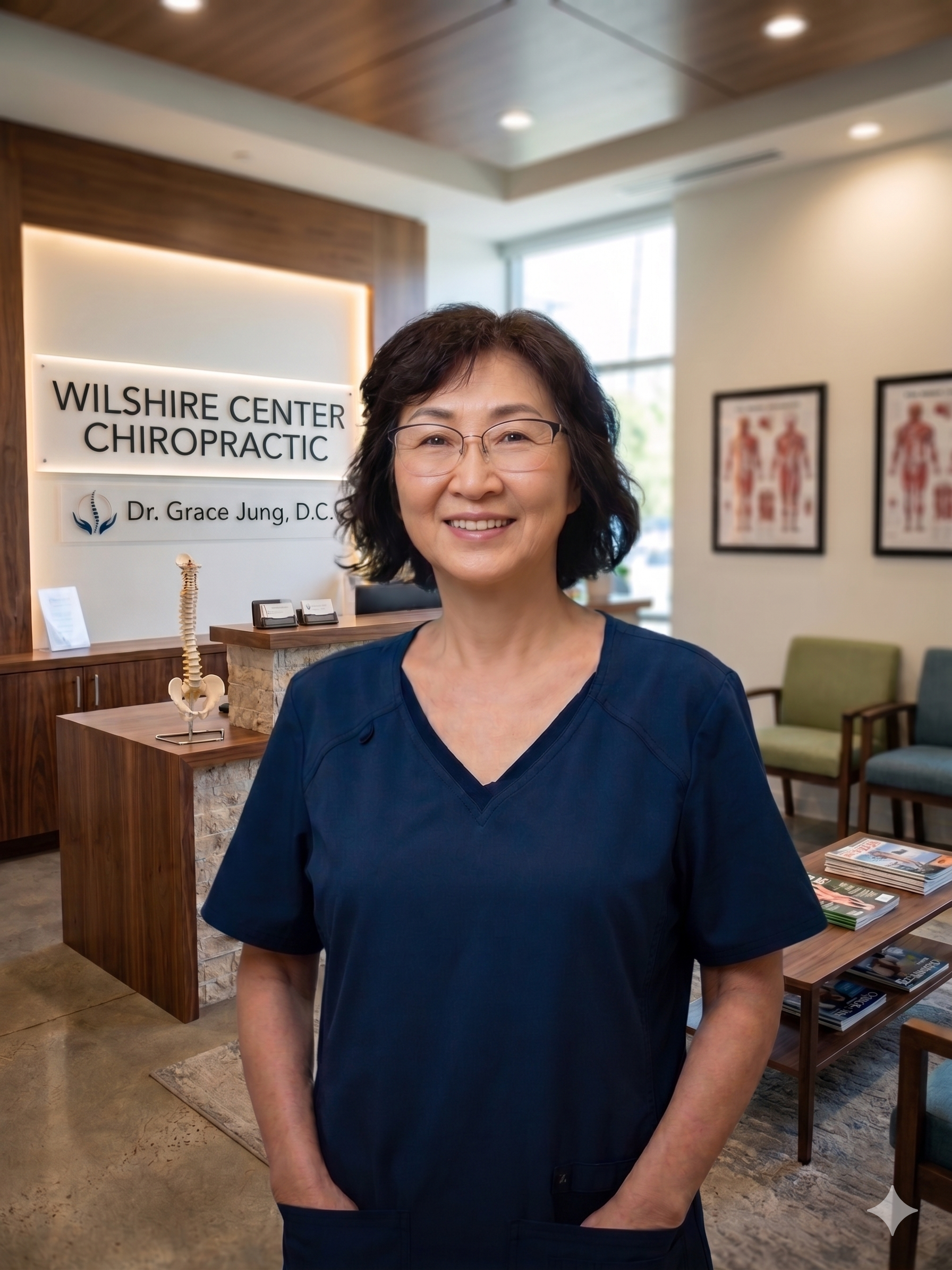
Patient-centered approach with expertise in sports injury rehabilitation, chronic pain management, and shockwave therapy.
Combines traditional acupuncture with modern techniques for integrated, whole-body care.
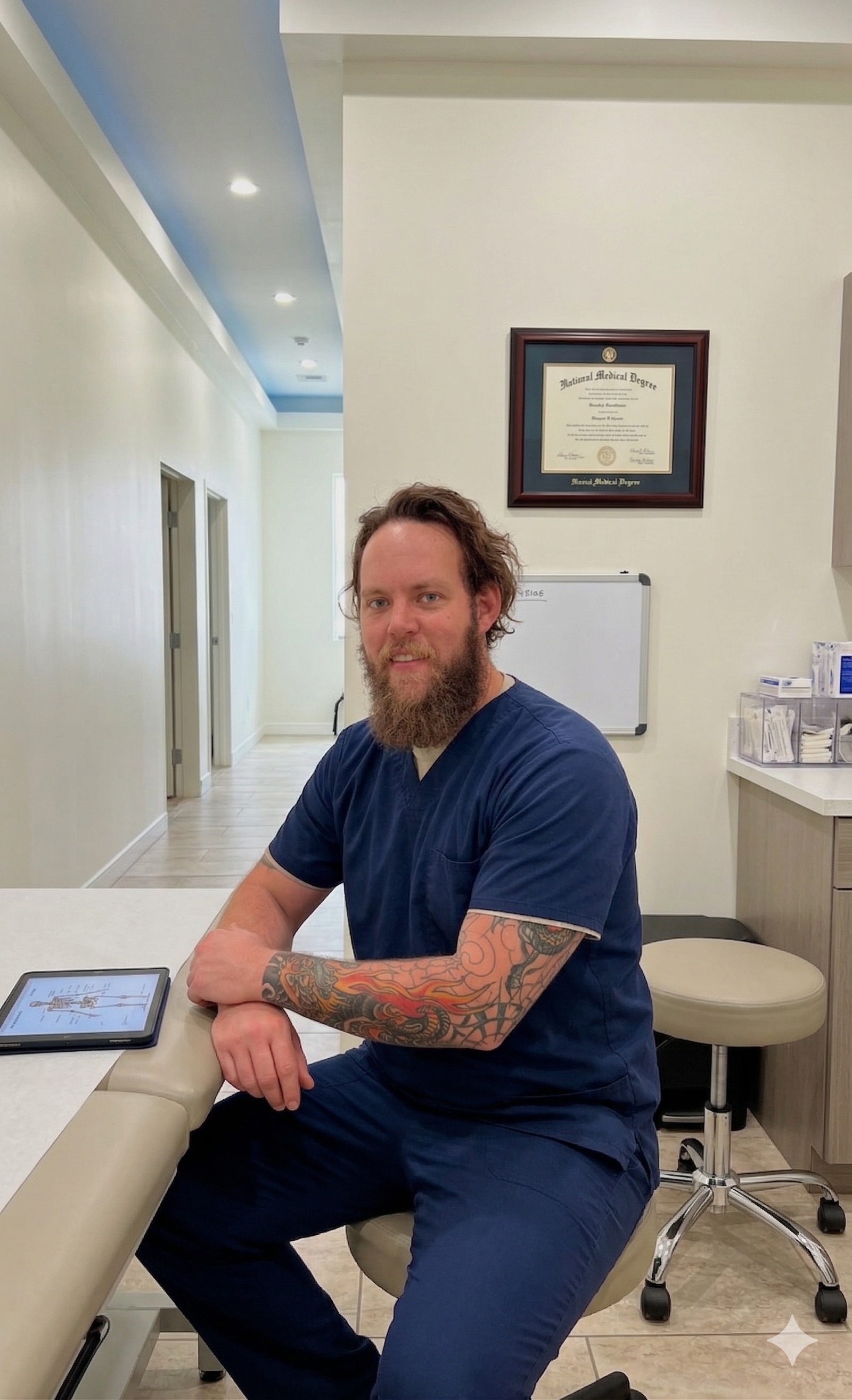
Specialized expertise to complement chiropractic treatments and accelerate recovery.
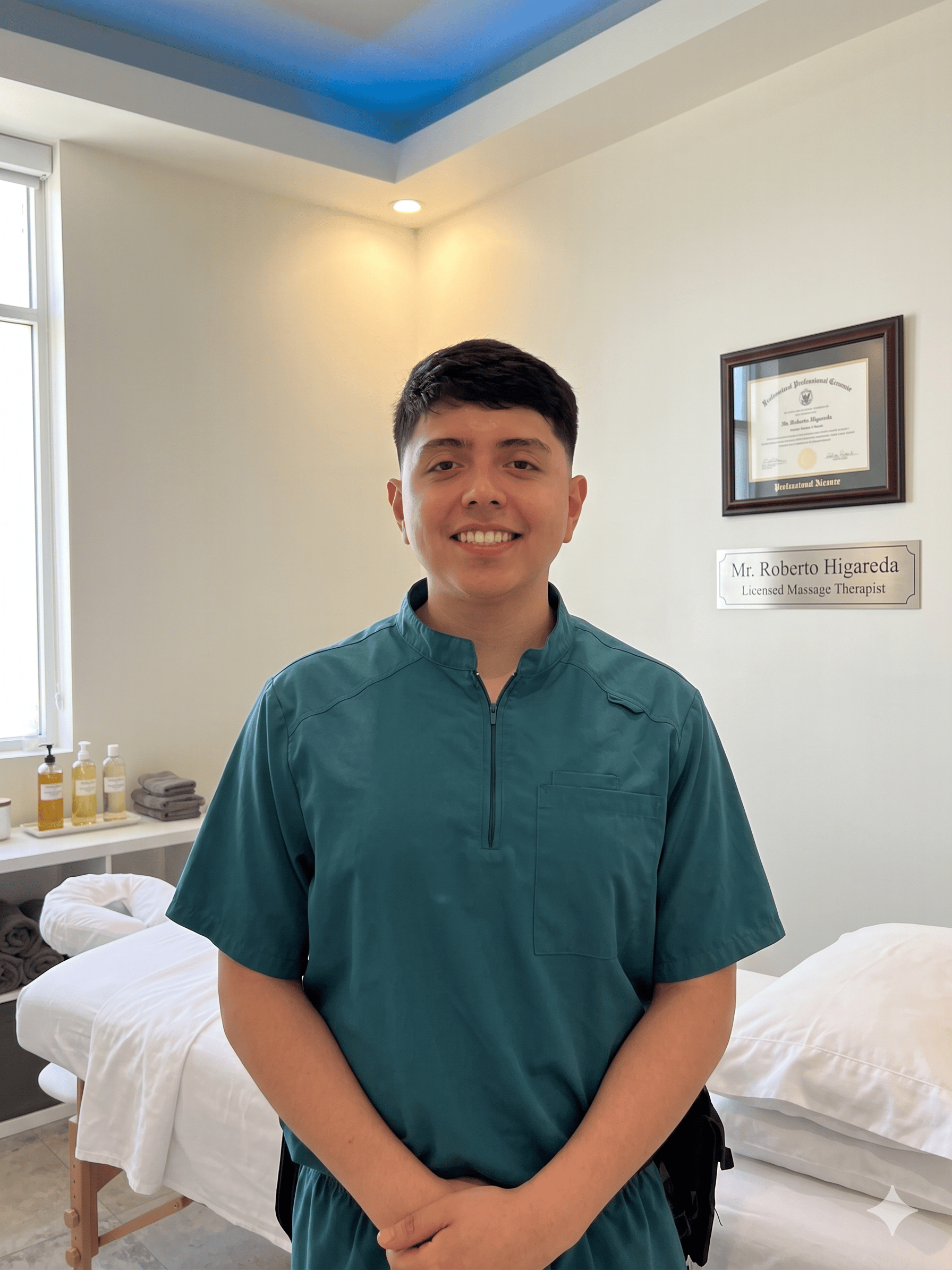
Targeted therapeutic massage supporting chiropractic recovery and healing after auto-accident injuries.
Whiplash, back injuries, and post-collision pain. Lien-based care available — no upfront costs.
Learn More →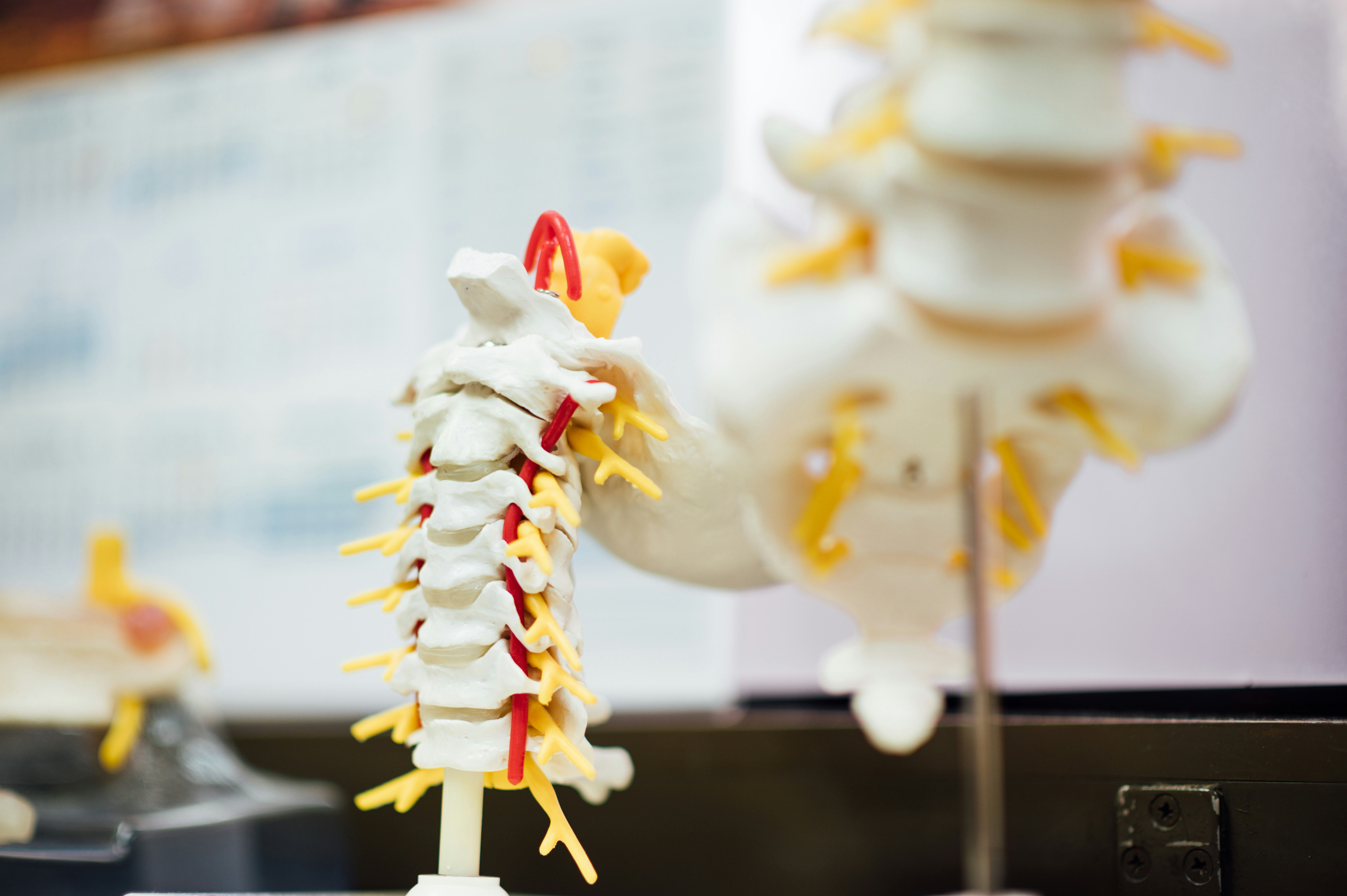
Targeted relief for radiating leg pain, lower back tension, and chronic discomfort.
Learn More →
Cervical spine realignment to eliminate chronic headaches and neck stiffness.
Learn More →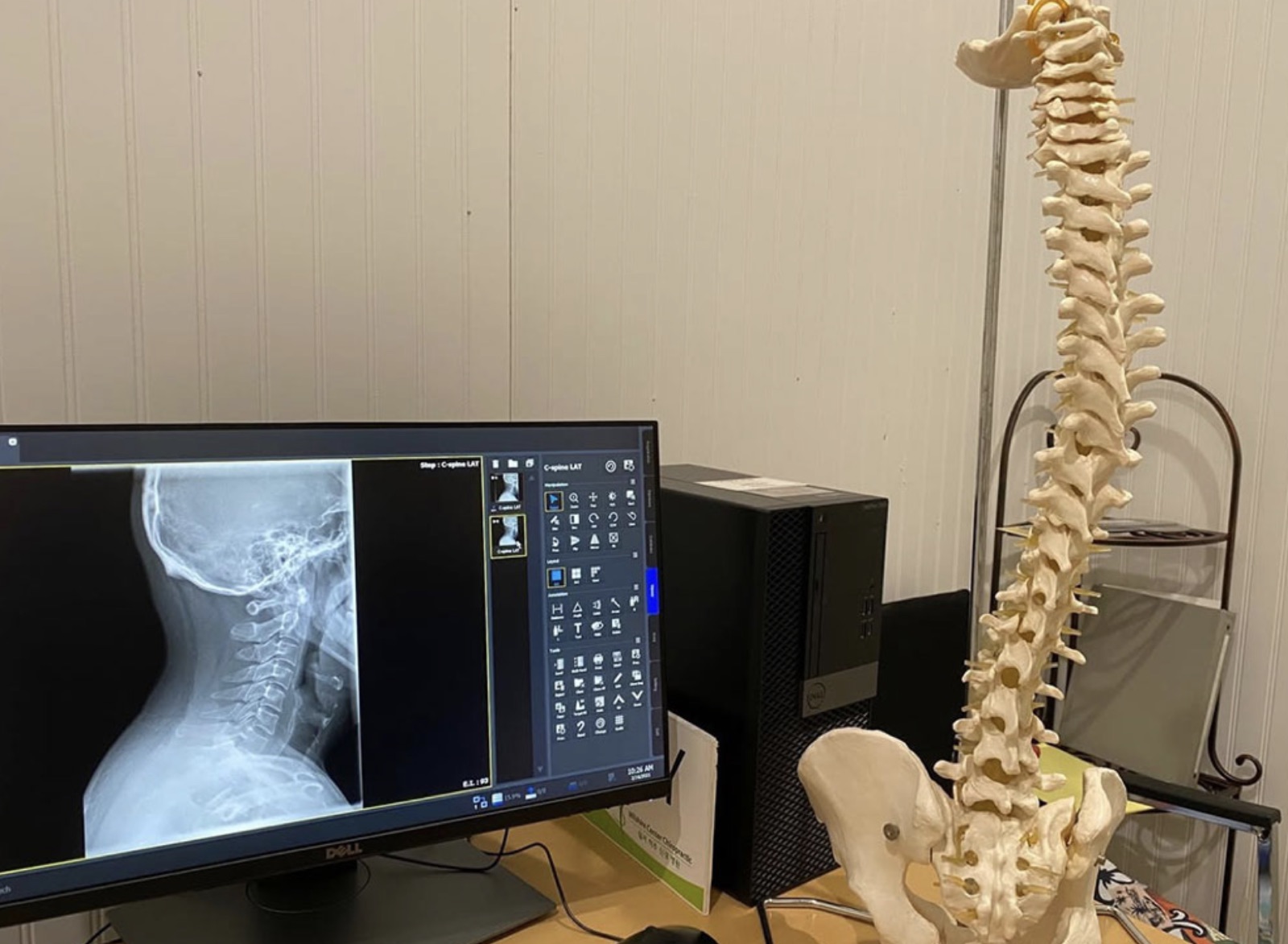
Non-surgical SpineMED decompression therapy for bulging and herniated discs.
Learn More →_appled.png)
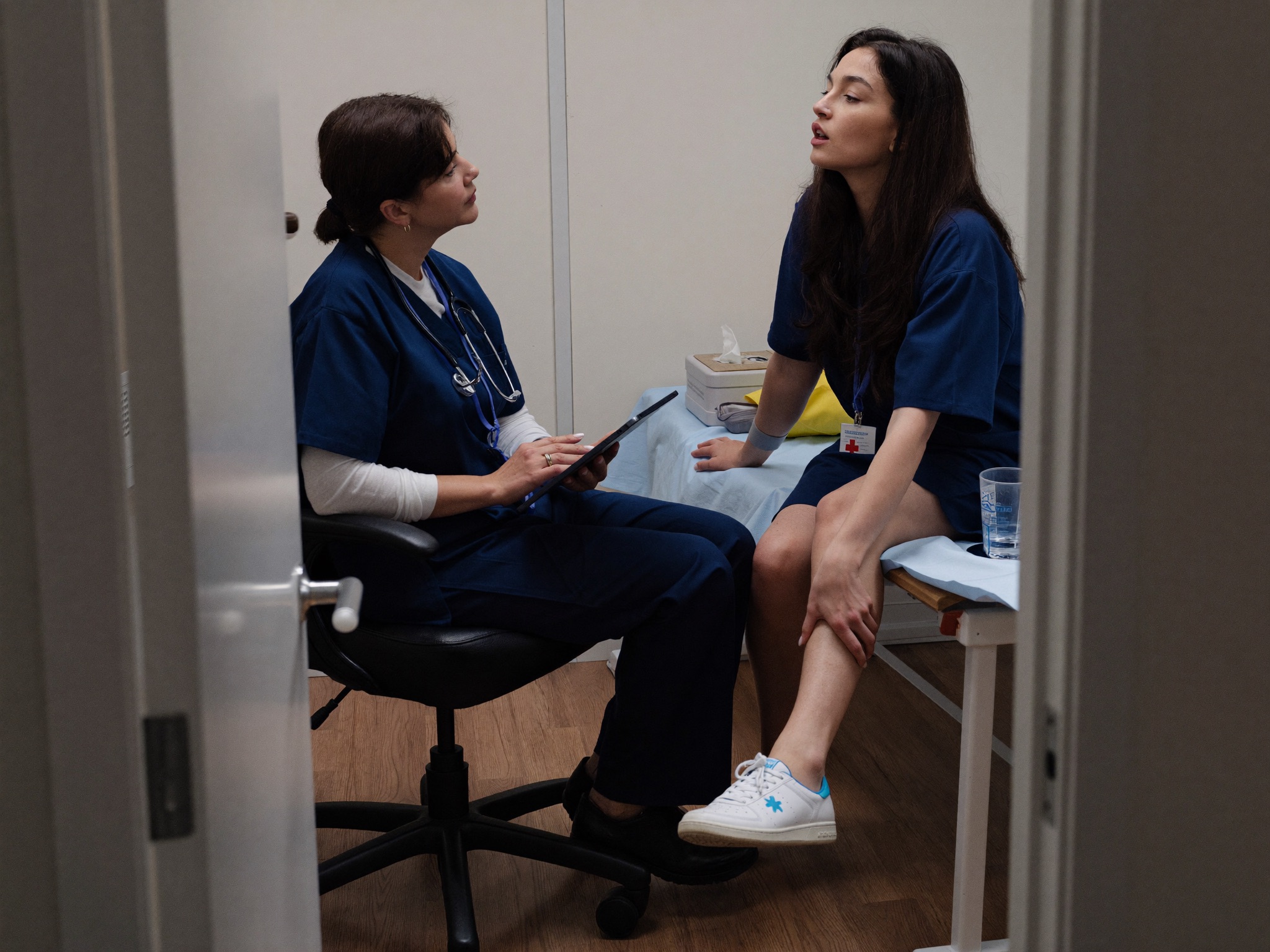
Comprehensive whiplash treatment with imaging, adjustment, and rehabilitation.
Learn More →
Going beyond traditional adjustments with state-of-the-art equipment most clinics don't have.
Non-surgical spinal decompression that precisely targets herniated discs, bulging discs, and degenerative disc disease.
Accelerates healing at the cellular level. Treats chronic inflammation, calcified tendons, and stubborn soft tissue injuries.
In-house digital X-rays provide immediate clarity so your treatment plan is built on precision, not guesswork.
We make your first visit simple, thorough, and reassuring.
Tell us about your pain, history, and goals. We listen carefully — in English or Korean.
On-site X-rays and a comprehensive evaluation pinpoint the exact source of your pain.
A personalized protocol using the right combination of adjustments, SpineMED, or shockwave therapy.
Progressive treatment sessions restore your mobility. Most patients feel improvement within the first few visits.
Located on Wilshire Boulevard in the heart of Los Angeles. Whether you're coming from Mid-Wilshire, K-Town, Westlake, Silver Lake, or Downtown LA — we're here for you.
"I was in a car accident and couldn't move my neck for days. Dr. Sim got me back to normal in just a few weeks. The care here is exceptional."
"After my accident, Dr. Sim and her team were thorough, professional, and genuinely caring. The X-rays, exam, and plan were all done in one visit."
"The SpineMED decompression therapy was a game-changer for my herniated disc. I was told I needed surgery — Dr. Sim gave me another option."
"As someone who sits at a desk 10 hours a day, my lower back was killing me. After just 4 visits, I noticed a huge difference."
Evidence-based articles to help you understand your body and make informed care decisions.
The steps you take in the first 72 hours after a collision can make or break your recovery...
Read More →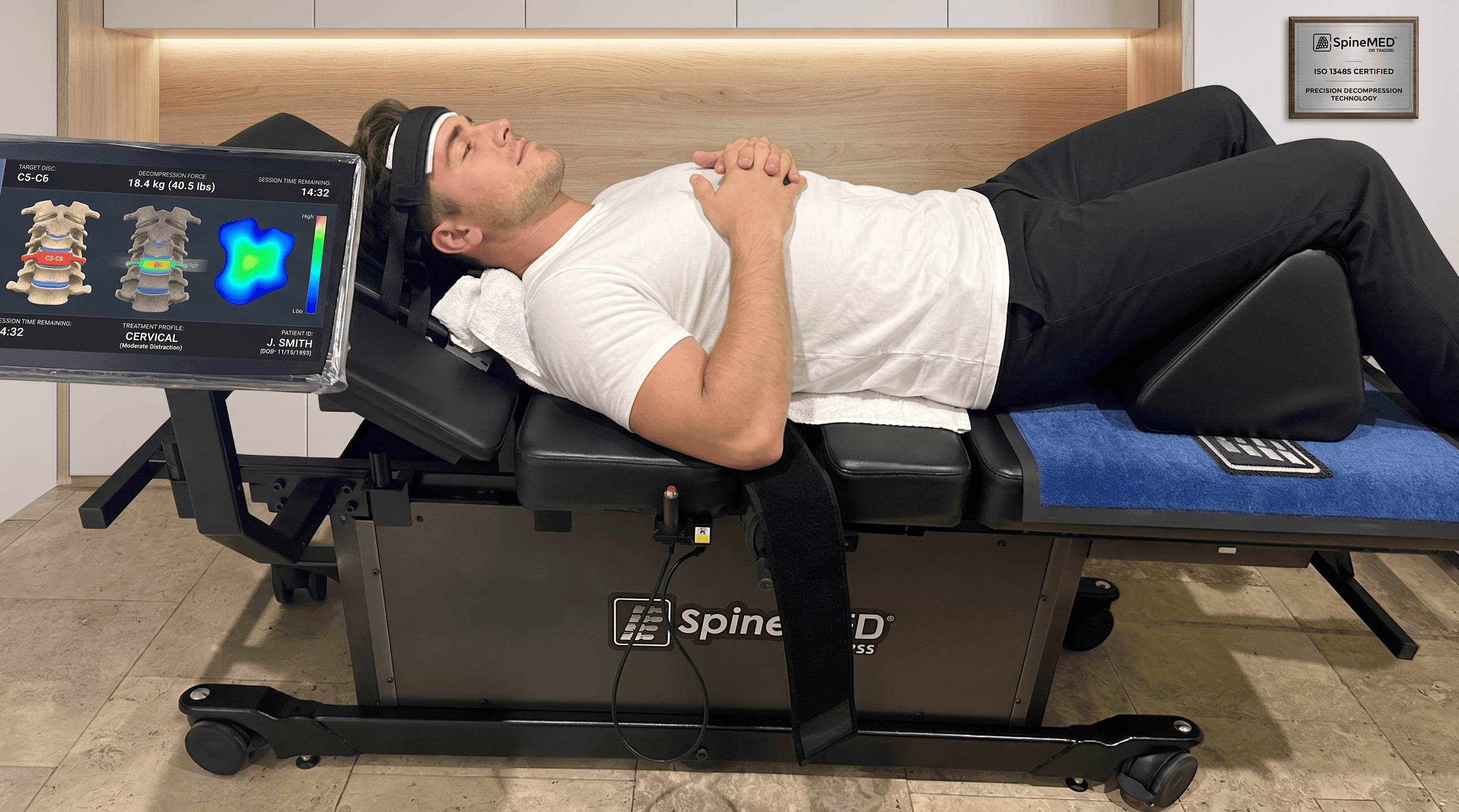
Non-surgical spinal decompression is changing how we treat herniated discs...
Read More →
Sitting for 8+ hours a day is destroying your spine. Here's what to do about it...
Read More →We work with most major insurance providers so you can get the care you need without the financial stress.
Most PPO insurance plans accepted with in-network benefits.
Select HMO plans accepted. Call to verify your specific plan.
Full coverage for car accident injuries. We bill your auto insurance directly.
Injured on the job? We handle Workers' Comp claims and documentation.
Competitive self-pay rates for patients without insurance coverage.
We accept VA referrals and coordinate care with Veterans Affairs benefits.
UCLA, USC, and most California college health plans accepted.
Flexible Spending and Health Savings Account payments accepted.
Coverage for visitors and short-term travelers needing urgent care.






Don't see your carrier? Call (213) 388-8820
Fill out the form and we'll call you within a few hours to confirm. Same-day visits available.
No referral needed. We verify your insurance before you arrive so there are no surprises at the desk.
We'll reach out within a few hours to confirm your visit.
For urgent care, call (213) 388-8820
Everything you need to know before your first visit.
Leave your info and we'll reach out to you.